At Nucellin Orthopedic Clinic in Seoul, Dr. Heejun Kim personally assesses wrist pain through your symptoms, physical examination, daily loading pattern and imaging when necessary.
A scan shows structure. It does not always explain pain.
The goal is to identify the source of symptoms and choose the least invasive treatment that can reasonably restore function.
Common Wrist Problems
Wrist pain may come from:
- Carpal tunnel syndrome
- Tendon problems and De Quervain’s tenosynovitis
- Ligament injuries and sprains
- Ganglion cysts
- Repetitive strain and sports injuries
- Post-fracture or post-surgery stiffness and pain
Symptoms such as night-time tingling, pain with gripping or lifting, swelling, weakness or a visible lump can provide important clues.
Tingling in the thumb, index and middle fingers may suggest carpal tunnel syndrome. Pain on the thumb side of the wrist with gripping or lifting may suggest De Quervain’s tenosynovitis.
Pain after a fall should not automatically be treated as a simple sprain. A fracture or significant ligament injury may need further assessment.
Diagnosis
Diagnosis begins with your history and a hands-on examination.
Dr. Kim may assess:
- Location and pattern of pain
- Swelling or a visible lump
- Wrist and finger movement
- Grip strength and tendon function
- Ligament stability
- Sensation and signs of nerve compression
- Activities that reproduce symptoms
The purpose is not simply to identify an abnormality, but to determine whether it actually explains the patient’s symptoms.
Imaging
X-rays may be used to assess fracture, alignment, arthritis or previous injury.
Musculoskeletal ultrasound may evaluate tendons, tendon sheaths, ganglion cysts and selected peripheral nerves. It can also guide targeted procedures when appropriate.
MRI is not required for every painful wrist. If a deeper injury is suspected or further imaging would change the treatment plan, MRI can be arranged at a nearby radiology centre and reviewed by Dr. Kim.
Nerve conduction testing may also be recommended when clarification of nerve compression or its severity is needed.
Treatment
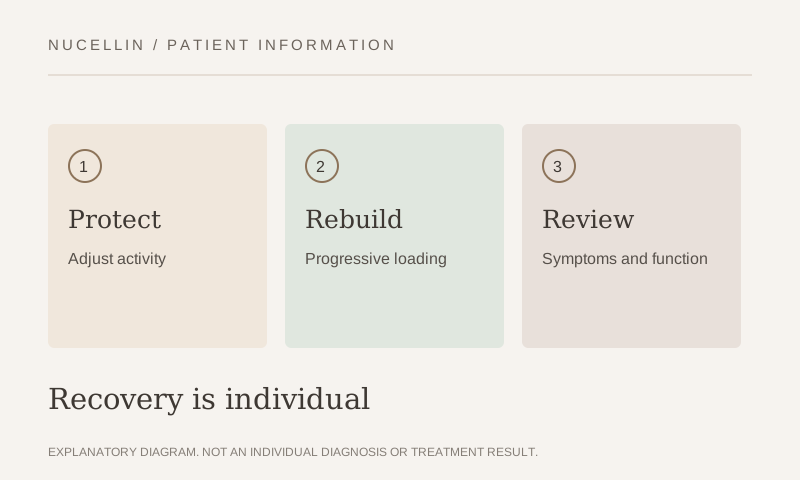
Treatment depends on the diagnosis, severity of the condition and your functional goals.
Options may include:
- Activity and load modification
- Wrist or thumb splinting when appropriate
- Regenerative Physical Therapy
- A structured home exercise programme
- Ultrasound-guided injections
- Activated PRF Therapy for selected tendon conditions
- Shockwave Therapy for selected chronic tendon pain
- Surgical referral when necessary
Treatment is introduced step by step. Tendon pain, nerve compression and ligament instability may require different approaches, even when the symptoms occur in the same area.
Rehabilitation focuses on restoring movement, grip strength and tolerance for work, sport and daily activities.
Learn more about Regenerative Physical Therapy →
Learn more about Shockwave Therapy →
Activated PRF
For selected patients with persistent tendon-related wrist pain, Dr. Kim may discuss Activated PRF Therapy after examination and imaging review.
Activated PRF is prepared from the patient’s own blood using Nucellin’s mechanically activated platelet- and fibrin-based protocol.
The treatment is intended to support the biologic environment of the affected tissue. Suitability and expected benefit depend on the specific condition; it is not a routine treatment for every painful wrist.
The potential benefits, limitations and alternatives are discussed before treatment. It should not delay necessary treatment for significant nerve compression, fracture or mechanical instability.
Learn more about Activated PRF Therapy →
When Surgery May Be Appropriate
Non-surgical treatment is not always the right answer.
A surgical opinion may be appropriate when there is:
- Significant nerve compression with persistent numbness, weakness or muscle wasting
- A major ligament injury with instability
- A displaced fracture or dislocation
- Persistent symptoms and loss of function despite appropriate non-surgical treatment
The goal is not to avoid surgery at all costs, but to determine when non-surgical treatment is reasonable and when surgery may provide a better result.
When to Seek Medical Attention
Arrange an assessment if your wrist pain:
- Persists or repeatedly returns
- Wakes you at night
- Causes tingling, numbness or reduced grip strength
- Limits typing, lifting, sport or everyday activities
- Is accompanied by recurrent swelling or a lump
- Has not improved despite previous treatment
Seek prompt assessment for persistent pain after a fall, even if the injury initially seems mild.
Seek urgent care for obvious deformity, severe pain or inability to use the hand after injury, a cold or pale hand, sudden loss of sensation, or a hot, red and swollen wrist with fever.
International Patients
International patients can consult directly with Dr. Kim in English.
You may send or bring previous X-rays, ultrasound images, MRI images and medical reports. Same-day consultation, ultrasound assessment and selected treatments may be possible when medically appropriate.
If MRI is required, we can arrange imaging at a nearby radiology centre.
The goal is to restore comfortable movement, grip and confidence in daily use.
Contact Nucellin Orthopedic Clinic →
Discuss your next step
Bring your questions and any existing medical records to your consultation.
Contact the clinic